Home › Lanai Screen Enclosures
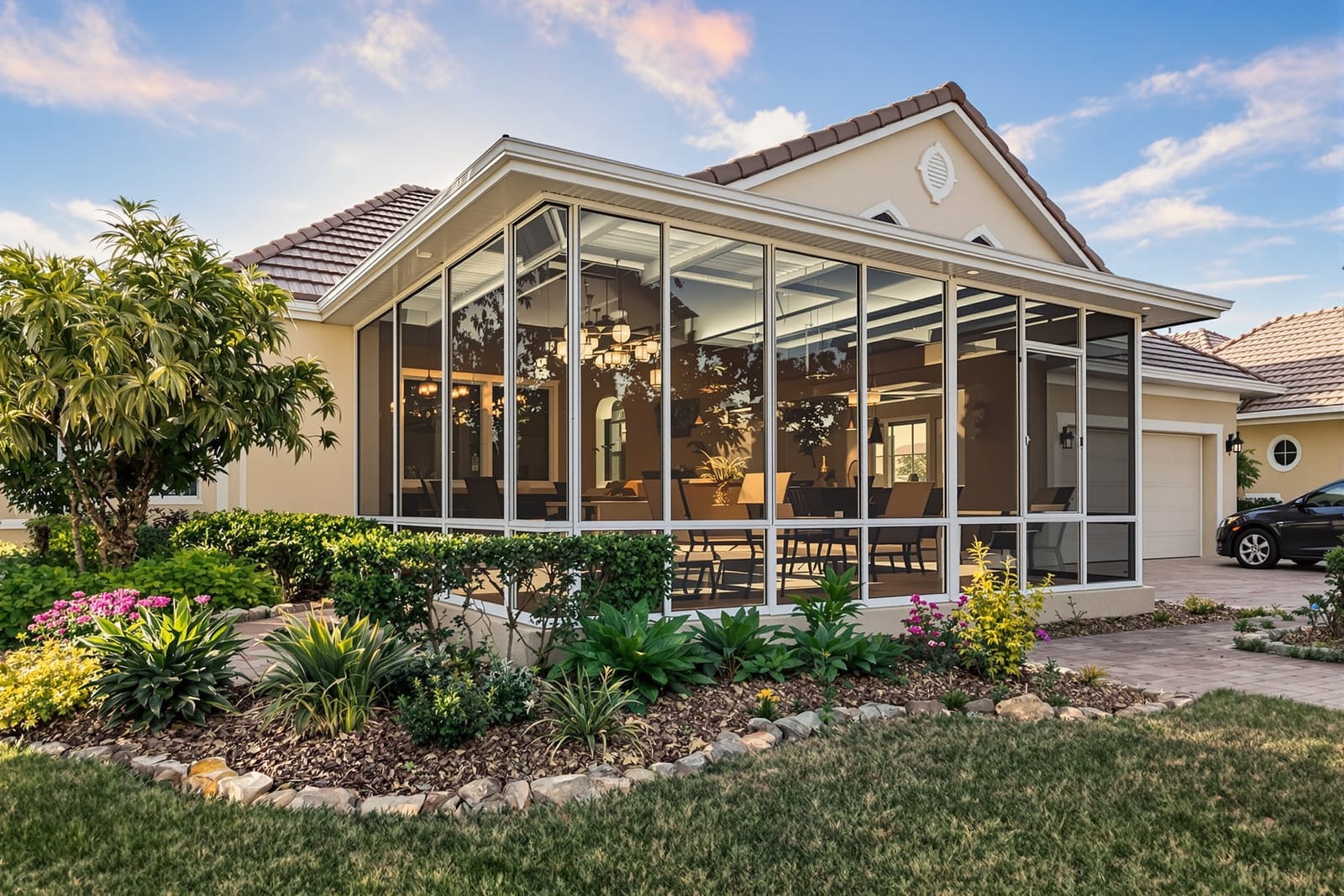
Expand your living space with lanai screen enclosures in North Port, FL tailored to your home. We design and build screened lanais that provide shade, airflow, and protection from insects. From simple enclosures to upgraded doors, kick plates, and privacy screens, our team delivers clean, attractive results that add value.
North Port Screen Company provides professional lanai screen enclosure throughout North Port, FL, Florida and the surrounding area. Our licensed, insured crew delivers safe, clean, on-time work with a free estimate before anything begins. Call (941) 803-1034 or request your free quote.
Lanai Screen Enclosures Built for North Port Homes
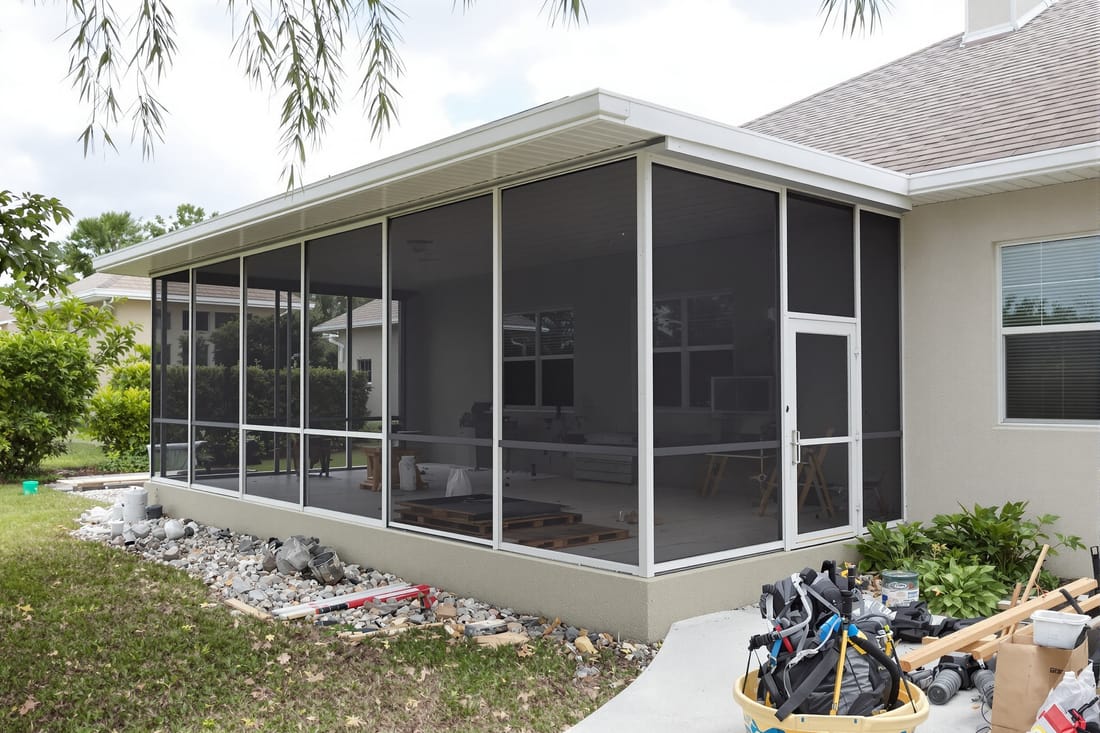
A lanai screen enclosure is more than a cage around your patio. Done right, it changes how you use your backyard every day. At North Port Screen Company, we design and build lanai screen enclosures that handle North Port’s sun, salt air, summer storms, and year-round humidity without becoming a maintenance headache.
We focus on practical details that matter here in Florida. That means corrosion-resistant fasteners, proper anchoring for wind, screen materials that stand up to UV and pets, and layouts that still let you reach gutters and windows for cleaning and repairs. Every lanai is measured on site, not from a rough sketch, so the enclosure fits tight to your home’s walls, soffit, and pavers to keep bugs out and reduce water intrusion where the structure meets the house.
Whether you have an existing concrete slab, a paver lanai, or you are just starting with a grassy yard, we build the enclosure to match the way you actually use the space. Some North Port homeowners want a simple bug-free sitting area. Others want room for a grill, a spa, or future pool construction. We adjust beam spacing, door placement, and roof style around those real-world uses instead of selling only one standard layout.
Our Step-by-Step Lanai Screen Enclosure Process
A typical lanai screen enclosure from North Port Screen Company follows a clear, predictable sequence so you know what is happening and when.
1. Site visit and measurements: We walk the perimeter with you, measure all walls, soffit heights, and slab or paver dimensions. We look at existing drainage, overhangs, light fixtures, hose bibs, and door swing directions so the enclosure does not interfere with how you move around the house.
2. Design and layout: Based on your space and budget, we sketch out the footprint, roof style (shed, gable, or combination), door locations, and any special sections like pet doors or privacy panels. We make sure there is enough internal height to feel open but still meet structural requirements.
3. Permitting and engineering: In North Port, lanai screen enclosures that attach to the structure must be permitted. We handle the permit application, engineered drawings, and any required product approvals. The engineering accounts for local wind loads and the condition of your existing slab or footers.
4. Fabrication: Frame members are cut and punched to size, then assembled in sections. We use aluminum extrusions rated for Florida use, which we pre-check for straightness and finish quality. Doors, kick plates, and special panels are prepared at this stage.
5. Installation: Our crew anchors the base to concrete or pavers with proper fasteners and, when needed, adds new concrete footers where there is only soil. Vertical posts and beams are assembled, then the roof members are installed. Once the frame is plumb and square, screens are rolled in using spline that matches your screen type.
6. Final walkthrough and adjustments: We check all door operations, latches, sweeps, and the tightness of each screen panel. Any gaps along the walls or slab are sealed with caulk or closure strips where appropriate. You walk the enclosure with us, point out any concerns, and we correct them on the spot when possible.
Material and Design Options for Your Lanai Screen Enclosure
Not every lanai screen enclosure in North Port needs the same materials. The right choices depend on how you use the space, whether you have pets, and how much direct sun and wind the lanai receives.
Frame and finish: Most homeowners choose standard aluminum framing in white or bronze. White reflects more heat and can stay cooler to the touch, which matters on full-sun western exposures. Bronze blends in better with darker roofs and landscaping. For waterfront or highly exposed locations, we can upgrade to heavier-gauge extrusions and higher-grade fasteners to slow corrosion.
Screen types: Basic fiberglass screen is the most economical, but it stretches and tears more easily. For higher traffic areas or if you have dogs or kids pushing on the screen, we recommend a stronger polyester or “pet” screen for door panels and lower sections. For lanais that face wetlands or canals, a tighter weave can help with no-see-ums, though it does reduce airflow slightly.
Roof styles: A simple shed roof (sloping away from the house) is often the most cost-effective and works well with one-story homes. Gable roofs provide a more open feel and can help hot air rise above the sitting area. For homes with different roof heights or odd angles, we sometimes combine sections or use custom connection details to tie cleanly into the fascia or soffit.
Visibility and privacy: Around pool lanais or tight lot lines, some owners want privacy without a solid wall. We can use privacy screens or decide to install heavier screen on the lower band of the enclosure and standard screen above, which cuts down visibility from neighboring yards while keeping airflow and light.
What Drives the Cost of a Lanai Screen Enclosure in North Port
Costs for a lanai screen enclosure are not one-size-fits-all. North Port Screen Company prices are based on real elements that affect materials, labor, and permitting.
Size and complexity: The footprint and height of the enclosure are the biggest cost drivers. A small, single-story slab enclosure with a shed roof is straightforward. Once you add gable fronts, tie-ins to two-story walls, or multiple door locations, the labor and material usage increase.
Existing conditions: A level, properly sloped concrete slab is ideal and keeps prices down. If we need to correct drainage, remove settled pavers, or add new footers because there is only grass or an older cracked pad, that adds time and concrete materials. We also inspect stucco, fascia, and soffit where the enclosure will tie in, and if repairs are needed, that can affect cost and schedule.
Material upgrades: Stronger screen, specialty no-see-um mesh, privacy panels, pet doors, or heavier framing all affect the material line on your estimate. In our quotes, we break out these upgrades so you can decide which ones matter most for your lanai.
Permits and engineering: Local permitting fees and required engineered drawings are part of any properly built lanai enclosure here. Cutting corners on this can cause problems if you sell the home or if the structure is damaged in a storm. We include these costs upfront and explain what each fee covers, so there are no surprises late in the project.
Lanai Enclosures Built for North Port Weather and Common Issues
North Port’s climate and soil conditions create specific challenges for lanai screen enclosures, and North Port Screen Company builds with those in mind.
Wind and storms: Afternoon thunderstorms and tropical systems can put real pressure on an enclosure. Proper anchoring into sound concrete, correct spacing of fasteners, and using engineer-approved connectors at roof beams are non-negotiable. We also pay attention to how nearby trees, roof runoff, and wind patterns can affect the enclosure so we avoid weak points where wind tends to funnel.
Sun and UV: Strong Florida sun breaks down cheap screen and chalks lower-quality aluminum finishes. We recommend screen materials rated for UV exposure and explain how long each option typically lasts before you can expect normal wear like fading or brittleness, especially on western and southern exposures.
Ground movement and drainage: Many North Port neighborhoods have settling pavers and shifting soils. Over time this can create gaps at the base of the enclosure that let insects in. During installation, we check for low spots and water paths, install the base to follow a proper slope, and seal or flash where needed. We also show you how to keep drains and deck channels clear so standing water does not eat away at anchors.
Repairs and future access: We design lanai enclosures so panels can be replaced individually without tearing apart large sections. Access for roof cleaning, gutter work, and window washing is planned ahead of time, so maintenance crews do not damage the enclosure later just trying to reach your home.
What to Expect When You Hire North Port Screen Company
When you choose North Port Screen Company for a lanai screen enclosure, you get a clear process and a single point of contact from estimate through final inspection.
Timeline: Most projects move through design, permitting, and installation in distinct phases. Permitting times vary with the city, but we keep you updated on where things stand. We schedule installation around weather as much as possible, especially during summer rainy season, and we keep workdays efficient so your yard is not torn up any longer than necessary.
On-site conduct: Our crews arrive with the materials needed for the day, keep work areas organized, and clean up fasteners, cuttings, and old screen pieces before leaving. If we see issues unrelated to the enclosure, like soft stucco or rotten fascia in the connection area, we point them out with clear options for how to address them.
Communication and paperwork: You receive a written estimate that lists frame type, screen type, roof style, door count, and any upgrades, along with a realistic project window. We provide permit documentation, and once the job is done, you have the information you need for your records or future resale.
Our goal is straightforward: build a lanai screen enclosure that fits your North Port home, holds up to local conditions, and can be maintained without constant frustration. If you are planning a new lanai or replacing an older cage, we walk you through the options that make sense for your specific property instead of pushing a one-size design.